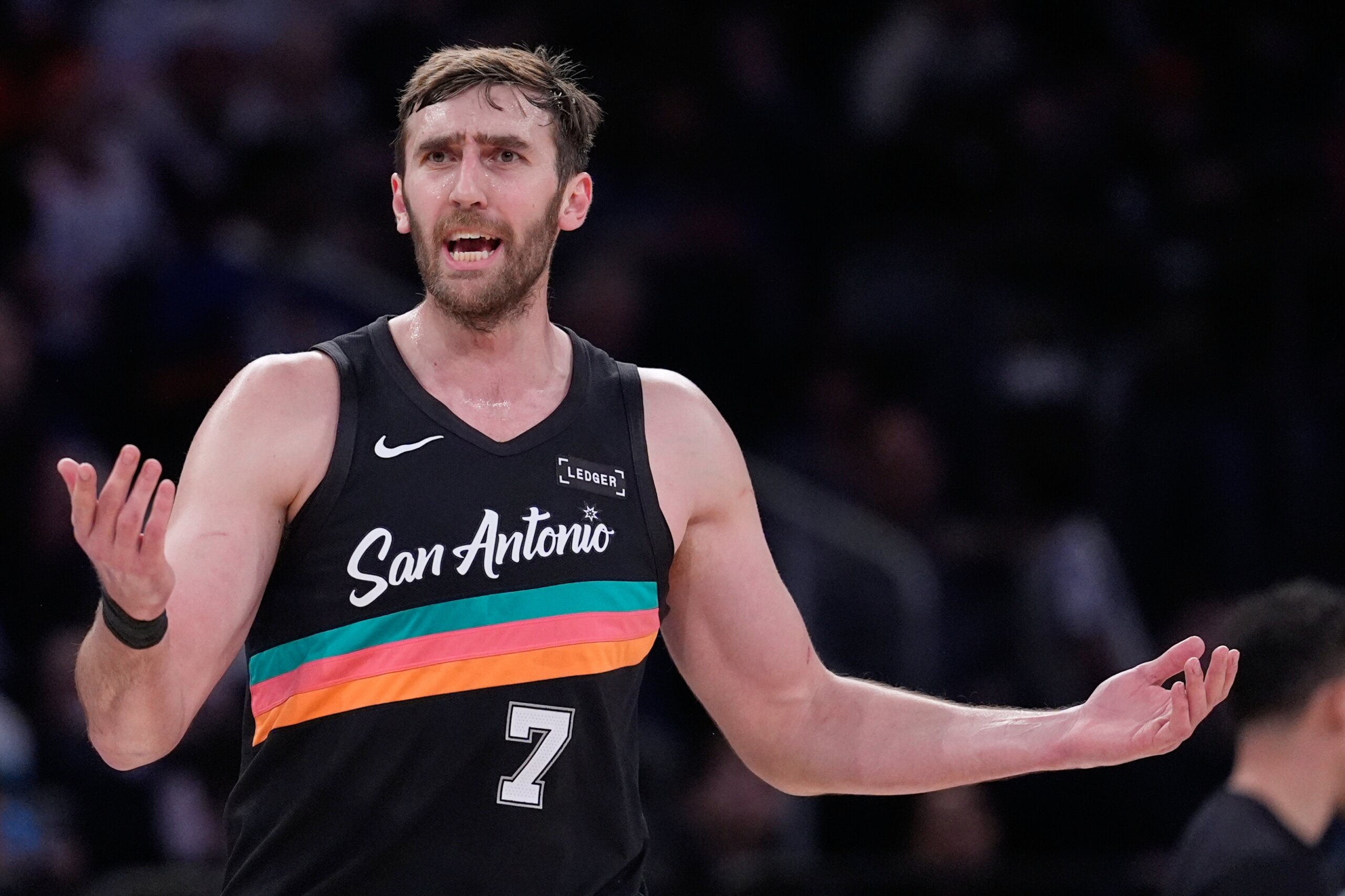
In a recent development, NBA player Luke Kornet has publicly urged the Atlanta Hawks to terminate their promotional partnership with Magic City, a well-known adult entertainment club. Kornet expressed his concerns about the implications of such a partnership, emphasizing the importance of maintaining a positive image for the team and the league.
The controversy began when the Hawks announced a promotional event in collaboration with Magic City, which has a long-standing reputation in Atlanta's nightlife scene. Critics argued that associating with an adult entertainment venue could harm the team's reputation and offend certain fan groups.
Luke Kornet took to social media to voice his opinion, stating, "I believe it's important for our team to align with values that promote respect and integrity. I call on the Hawks to reconsider their partnership with Magic City." His statement resonated with many fans and fellow players who shared similar concerns about the potential impact on the team's image.
The Hawks have yet to respond publicly to Kornet's call, but the issue has sparked a broader debate about corporate sponsorships and promotional partnerships in professional sports. Some supporters argue that such collaborations are part of the business aspect of sports, while others believe teams should prioritize community values and social responsibility.
Magic City, known for its adult entertainment services, has been a fixture in Atlanta's nightlife for decades. Despite its controversial reputation, it continues to attract a large clientele and has been involved in various promotional activities with local organizations and businesses.
The situation highlights the ongoing tension between commercial interests and social values within professional sports. As the debate continues, many are watching to see whether the Hawks will heed Kornet's call and reconsider their partnership, or if they will stand by their current promotional strategy.
Ultimately, this incident underscores the importance of athlete voices in shaping team policies and the broader conversation about the role of sports organizations in promoting social responsibility. The outcome could influence future decisions regarding sponsorships and partnerships across the league.